Lighting Ideas in Home Renovation: From Efficiency to Elegance
Lighting is one of the most important elements in home renovation and interior design. Many people, when renovating, focus only on materials, wall colors, or furniture and overlook the critical role of lighting. Yet, proper lighting can make your home appear larger, warmer, and even more luxurious.
Moreover, lighting is not just about aesthetics—it directly impacts energy consumption, functionality, and even the mental well-being of family members. Therefore, if you are planning to renovate your home, paying attention to lighting ideas can transform your space into a modern and efficient environment.
In this comprehensive guide by Hoorpod Architectural House, we explore the principles and ideas of lighting in home renovation—from selecting fixtures and techniques to saving energy and creating unique visual effects. You will also learn how to harmonize lighting with other renovation elements.
The Importance of Lighting in Home Renovation
Renovating a home without considering lighting is like designing a house without doors or windows. Lighting breathes life into a design and allows interior spaces to reach their full potential.
• Transforms the perception of space: Smart lighting can make a small home appear larger and more open.
• Influences mood: Proper natural or artificial lighting can boost energy, relaxation, or focus.
• Enhances interior beauty: Even the most expensive furniture or flooring will not shine without appropriate lighting.
• Reduces costs: Choosing energy-efficient lighting systems can significantly lower your electricity bills.
Types of Lighting in Interior Design and Renovation
Before exploring lighting ideas, it’s essential to understand the main types of lighting in interior design. Generally, lighting falls into three categories:
1. Ambient Lighting:
This is the primary illumination of a space, usually provided by chandeliers, ceiling lights, or recessed lighting.
2. Task Lighting:
Used for specific activities like reading, cooking, or office work. Kitchen under-cabinet lights are a typical example.
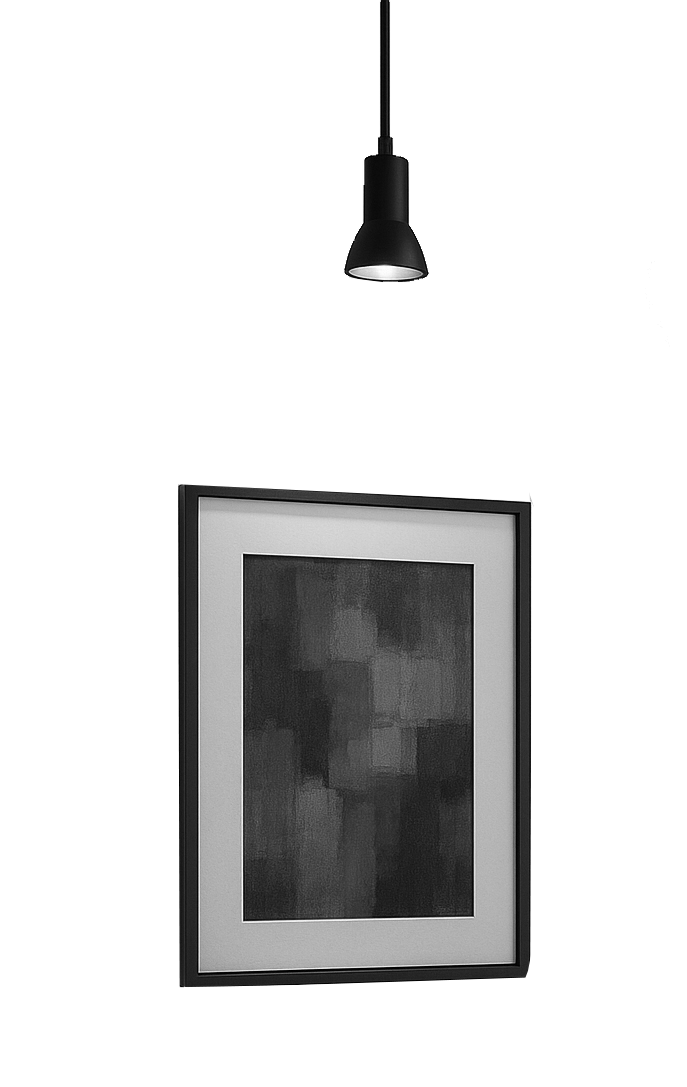
3. Accent Lighting:
Highlights specific areas or objects, such as artwork or architectural columns.
A successful lighting design typically combines all three types.
Lighting Ideas for Different Areas of the Home
1. Living Room and Lounge Lighting
The living room is the heart of the home, often used for family gatherings and entertaining guests.
• Use modern or classic chandeliers at the center of the ceiling.
• Install hidden lighting in false ceilings to add warmth and depth.
• Wall sconces illuminate dark areas and create harmony.
For more inspiration, check out our guide:
[Lighting in Interior Design: How to Transform Your Home]
2. Kitchen Lighting
The kitchen requires strong task lighting for practical use.
• Under-cabinet lights for work surfaces.
• Ceiling lights for overall brightness.
• Energy-efficient LED lamps to reduce electricity costs.
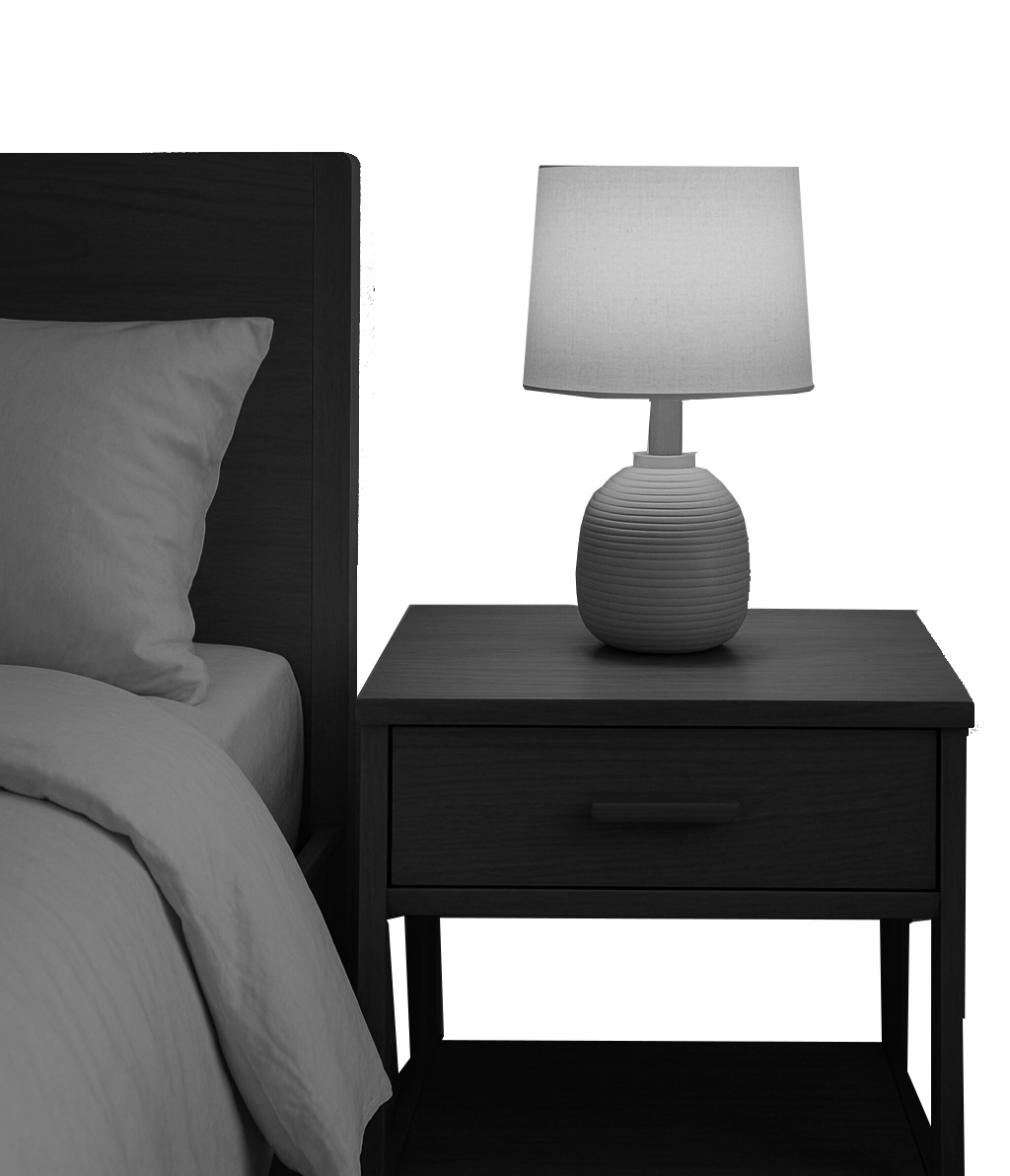
3. Bedroom Lighting
Soft and soothing lighting is crucial for bedrooms.
• Table lamps or bedside lamps.
• Hidden lighting behind the bed or ceiling.
• Semi-transparent curtains to control natural light.
4. Bathroom and Toilet Lighting
• Waterproof LED lights for wet areas.
• Mirror lighting for grooming and makeup.
• Recessed ceiling lights for general illumination.
5. Outdoor and Terrace Lighting
• Wall-mounted or standing lights in the yard.
• LED string lights for terraces or balconies.
• Landscape lighting to enhance security and aesthetics.
Modern Lighting Techniques in Renovation
1. Hidden Lighting: Used in false ceilings or behind walls for a modern, stylish effect.
2. LED Strips: Cost-effective, visually appealing, and versatile across the home.
3. Smart Lights: Adjustable color and brightness via mobile apps.
4. Layered Lighting: Simultaneous use of ambient, task, and accent lighting.
5. Combining Natural and Artificial Light: Balanced lighting reduces energy consumption.
Lighting and Energy Savings
With rising electricity costs, choosing energy-efficient lighting is more important than ever.
• LED lamps consume up to 80% less energy than traditional bulbs.
• Motion sensors reduce power usage in rarely used areas.
• Combining natural light with artificial light is the most effective way to lower energy costs.
Common Lighting Mistakes in Renovation
• Overusing large chandeliers in small homes.
• Choosing harsh white lighting for bedrooms, which reduces relaxation.
• Ignoring natural light.
• Using monotonous lighting throughout the house.
Combining Lighting with Colors and Materials
Lighting works best when harmonized with wall colors, flooring, and furniture. For example:
• Light-colored walls with warm yellow lighting create a cozy atmosphere.
• Dark flooring appears more prominent under white lighting.
• Glossy materials like marble or stainless steel reflect light and brighten the space.
Conclusion
Lighting in home renovation is not just a decorative element—it is one of the most crucial aspects of interior design. Choosing the right lighting system can transform a small, simple home into a modern, beautiful, and energy-efficient space.
If you plan to renovate your home, consider lighting carefully and coordinate it with other renovation stages from the design phase onward.
At Hoorpod Architectural House, we provide specialized renovation and interior design services focused on modern, cost-effective lighting solutions. If you want your home to be beautiful, functional, and energy-efficient, contact us today. Our team is ready to transform your home using the latest lighting ideas and techniques.